
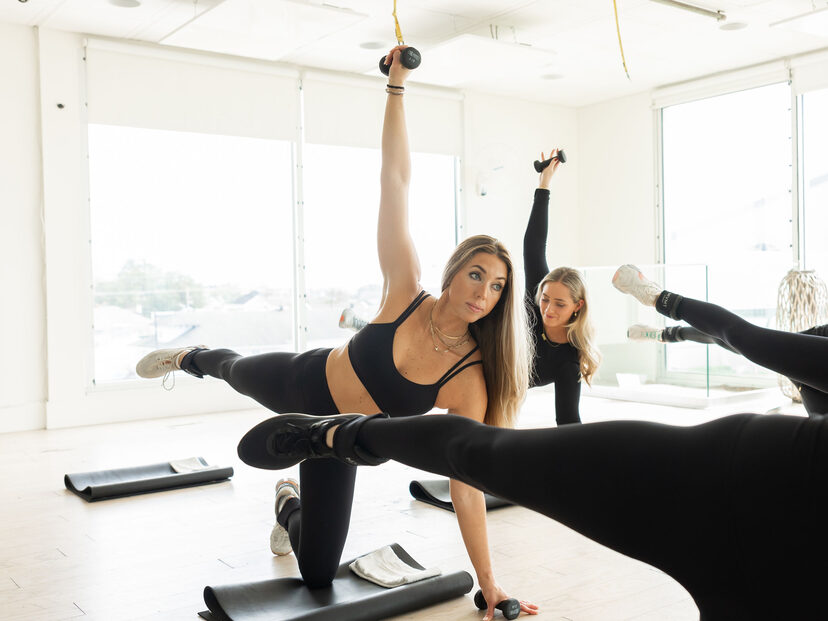
Home workouts can be convenient, but they are not always enough to build a sustainable wellness routine. For many adults searching for yoga classes near me, the real need is structure, accountability and guided movement. Regular classes can offer these benefits in ways that sporadic home practice often cannot. This does not mean home practice has no value. Short sessions at home can support flexibility and stress relief. However, when practice is inconsistent, rushed or self-directed without enough knowledge, results may be limited. Regular yoga classes provide a stronger framework for long-term health because they combine instruction, environment, sequence and commitment.
Why home workouts often become inconsistent
Home is full of distractions. A person may start with good intentions, then pause to check messages, answer the door, manage family needs or handle chores. The same space used for work and rest may not easily support focused practice. Another challenge is decision fatigue. At home, people must decide what to practise, how long to practise, which areas to focus on and when to stop. When energy is low, these decisions can become reasons to skip the session. A class removes much of this friction. The time is set, the teacher guides the practice and the student simply shows up.
Structure supports safer movement
Random stretching or unsupervised movement can feel useful, but it may miss important elements of a balanced practice. A good yoga class usually includes a warm-up, progressive postures, breath awareness, modifications and a closing phase. This structure helps the body move safely. Without structure, people may overstretch areas that already move easily while ignoring areas that need strength or control. They may also rush into deeper movements before the body is ready. Guided classes reduce this risk by creating a logical flow.
Accountability changes behaviour
Accountability does not need to be harsh. It can simply mean having a class time, a teacher and a place to attend. These external supports make practice feel more committed. Students are more likely to complete the session because the environment encourages follow-through. At home, it is easy to stop after ten minutes or postpone practice until later. In a class, the student enters a shared space where the purpose is clear. This helps turn intention into action.
Why regular classes can improve health habits
Regular attendance can support:
- Better movement consistency
- Safer progression over time
- Improved posture awareness
- Stronger breath control
- More balanced strength and mobility
- A clearer boundary between practice and daily distractions
These benefits grow through repetition.
Teacher feedback improves body awareness
One of the biggest advantages of classes is instruction. Teachers can offer cues that students may not think of at home. They may remind students to lengthen the spine, soften the shoulders, breathe steadily or choose a suitable variation. These cues help students understand their bodies better. Over time, students internalise the guidance and become more skilled even when practising alone. This makes regular classes useful even for people who also want a home routine.
The environment affects the nervous system
A studio environment can create a stronger mental shift than a living room. The lighting, quiet, spacing and shared focus signal that it is time to practise. This can help the nervous system settle. Many adults struggle to relax at home because reminders of work, chores and family responsibilities are always present. A class provides a temporary separation. That separation can make the practice feel more restorative.
Progress is easier to notice with regular practice
Sporadic workouts may offer temporary relief, but regular classes help students notice patterns. They may see that their hips gradually feel more open, their balance improves, their breathing becomes steadier or their stress response changes. Progress does not always mean dramatic physical achievement. It can mean less stiffness after work, better sleep, more patience or greater comfort in everyday movement. Classes make these changes easier to track because the practice is repeated.
Home practice as a supplement, not a replacement
For many people, the best approach is not choosing between classes and home practice. Home sessions can supplement regular studio classes. A student may attend classes during the week, then do short stretches or breathing exercises at home. The class provides depth and structure. Home practice provides continuity. Together, they can create a strong routine.
A guided setting for long-term wellbeing
A studio such as Yoga Edition can help students build a routine that feels guided, focused and sustainable. The value lies in having a dedicated space where practice is treated with care and consistency. For adults who have tried home workouts but struggled to continue, this kind of environment can make a meaningful difference.
Choosing what supports real consistency
The health case for regular classes is simple. People benefit from structure, guidance and accountability. Sporadic home workouts may feel convenient, but they often lack the depth needed for long-term change. Regular classes help students show up, move safely, breathe better and build awareness over time. For those who want yoga to become a true wellness habit, classes offer a foundation that home practice alone may not provide.
