
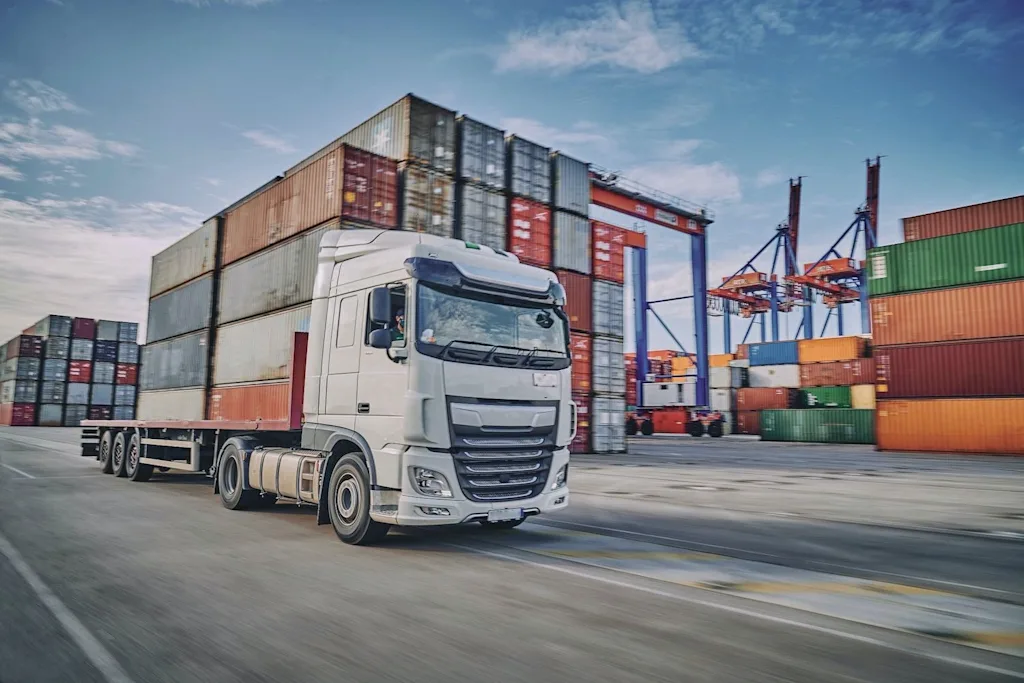
The global transportation industry serves as the unseen backbone of the modern economy, moving millions of tons of freight, raw materials, and passenger assets every single day. Historically, managing a commercial fleet of trucks, vans, or delivery vehicles was a reactive, chaotic exercise. Dispatchers relied on paper logs, static route maps, and periodic telephone check-ins to monitor operations. A vehicle breakdown, an unexpected traffic bottleneck, or a sudden change in customer delivery windows could disrupt an entire supply chain for days.
The integration of advanced fleet management technology has fundamentally rewritten the rules of commercial transport. By blending cloud computing, real-time telemetry, artificial intelligence, and high-speed mobile networks, modern fleet management systems have shifted logistics from a game of guesswork to a discipline of precise, data-driven execution. This transformation drastically alters how companies operate, enhancing productivity, increasing road safety, reducing carbon footprints, and lowering overhead costs across the entire logistics sector.
The Foundation of Real-Time Visibility and Telematics
At the core of modern fleet management is the concept of telematics, which is the convergence of telecommunications and informatics. Commercial vehicles are equipped with specialized tracking hardware that connects directly to the vehicle’s onboard diagnostic port. This hardware continuously broadcasts data over cellular networks to a centralized cloud platform, giving managers complete oversight of their entire operation.
Precise asset tracking and geofencing
Real-time tracking allows dispatchers to see the precise coordinates of every single asset on a digital map. Managers no longer need to call drivers to ask for an estimated time of arrival; they can track progress dynamically. Furthermore, the technology enables the implementation of geofencing, which involves setting virtual geographic boundaries around specific warehouses, delivery hubs, or customer locations. When a vehicle crosses these invisible lines, the system automatically logs timestamps and alerts stakeholders. This automates shipping notifications, streamlines warehouse loading schedules, and provides accurate verification of delivery times.
Granular diagnostic monitoring
Beyond physical location, telematics hardware extracts raw performance data directly from the vehicle’s engine control unit. Fleet managers receive instant alerts regarding diagnostic trouble codes, coolant temperatures, battery voltage drops, and tire pressure variations. If a component begins to degrade or fail, the system flags the issue before a physical breakdown occurs. This level of insight allows companies to transition from rigid, calendar-based maintenance schedules to dynamic, condition-based maintenance, minimizing vehicle downtime and extending the lifespan of costly commercial assets.
Transforming Driver Safety and Behavior Through Data
Commercial fleet operations carry significant liability when it comes to road safety. Accidents cause tragic delays and financial losses, but more importantly, they put human lives at risk. Fleet management technology uses an array of hardware and software solutions to actively improve driver habits and decrease accident rates.
Telematics-based driver scoring
The onboard telematics system continually monitors parameters associated with risky driving habits. The system records instances of hard braking, rapid acceleration, sharp cornering, and speeding. This data is synthesized into comprehensive driver safety scores. Fleet managers use these metrics to gamify safety within their organizations, rewarding high-scoring drivers and identifying specific operators who require additional professional training. Over time, cultivating a culture of gentle acceleration and moderate braking reduces collision rates while lowering fuel consumption and mechanical wear.
Artificial intelligence dash cams
The integration of artificial intelligence into vehicle dash cameras represents one of the most powerful safety breakthroughs in modern transport history. These dual-facing camera systems utilize machine learning models to analyze both the exterior roadway and the interior cabin environment simultaneously. The interior camera tracks the driver’s facial positioning and eye movements. If the system detects signs of micro-sleeps, prolonged distraction, or cellphone usage, it delivers immediate, localized voice alerts to snap the driver’s attention back to the road. The exterior camera captures high-definition video evidence during sudden g-force events, protecting drivers from fraudulent insurance claims by providing irrefutable proof of accident context.
Route Optimization and Fuel Management Efficiency
Fuel expenditure represents one of the largest ongoing operational costs for any transportation company. Maximizing the efficiency of every gallon of fuel burned requires minimizing wasteful idling and choosing the most efficient path forward.
Dynamic route planning algorithms
Traditional navigation tools choose the shortest line between two points on a map, but they fail to account for the unique operational constraints of commercial vehicles. Modern fleet management platforms utilize advanced routing algorithms that analyze an array of variables simultaneously, including:
-
Historical and live traffic patterns: The system routes vehicles away from predictable urban gridlock, accidents, and seasonal construction zones.
-
Commercial road restrictions: Algorithms steer heavy trucks away from low-clearance bridges, weight-restricted secondary roads, and tight residential corners.
-
Multi-stop delivery variables: The system calculates the most logical sequential order for delivery drivers who must visit dozens of locations in a single shift, reducing total mileage driven.
By optimizing routes dynamically, companies shave hours off delivery schedules, reduce the wear on vehicle suspension systems, and significantly curb unnecessary fuel consumption.
Idling reduction strategies
Excessive engine idling is an invisible drain on a company’s financial bottom line. Whether a driver is waiting at a loading dock or keeping the climate control running during a rest break, an idling truck engine consumes roughly half a gallon to a full gallon of fuel per hour. Fleet management software automatically highlights vehicles that exceed acceptable idling thresholds. Armed with this hard data, companies can implement strict shut-off policies, adjust scheduling to prevent long wait times at distribution facilities, or invest in auxiliary power units to run climate control systems without burning primary engine fuel.
Environmental Sustainability and Electromobility
As global regulatory frameworks tighten regarding carbon emissions, the transportation industry faces immense pressure to green its operations. Fleet management technology serves as a critical enabler for corporate sustainability goals, helping companies reduce their environmental impact while managing the transition to alternative fuel sources.
Optimizing electric fleet integration
Transitioning a commercial fleet from internal combustion engines to electric powertrains introduces unique logistical challenges. Fleet managers must navigate charging infrastructure constraints, variable battery ranges, and utility grid pricing structures. Specialized EV fleet management software tracks the real-time state of charge for every electric vehicle in operation. The system integrates charging schedules directly into the route planning phase, ensuring vehicles charge during off-peak hours when electricity rates are lowest and directing drivers to operational fast-charging stations precisely when their batteries require replenishment.
Carbon footprint reporting
Many modern corporations must publicly disclose their scope one emissions, which include the direct greenhouse gas emissions generated by their company-owned vehicle fleets. Fleet management platforms automate this complex data aggregation process. By calculating total fuel burned alongside specific engine load data, the software generates highly accurate carbon emissions reports. This precise metric allows companies to measure the verifiable success of their eco-driving programs, route optimization strategies, and transition to electric vehicles, turning vague sustainability goals into concrete, auditable achievements.
Frequently Asked Questions
How does fleet management technology assist with regulatory hours of service compliance?
In the commercial trucking sector, drivers must adhere to strict hours of service laws designed to prevent driver fatigue. Fleet management platforms automate compliance through electronic logging devices. These devices link directly to the vehicle’s engine to track when the vehicle is moving, automatically recording driving time, on-duty time, and rest periods. The system flags impending hours of service violations before they occur, helping drivers maintain compliance and eliminating the errors associated with manual paper logbooks.
What is trailer tracking, and how does it differ from standard vehicle tracking?
Standard vehicle tracking monitors the motorized tractor or van unit, whereas trailer tracking focuses entirely on unpowered cargo containers or flatbeds. Trailer tracking units utilize long-lasting batteries, solar panels, and cellular or satellite connectivity to broadcast their location independently. This technology allows fleet managers to locate empty trailers dropped at remote customer sites, prevent cargo theft, and optimize asset utilization by ensuring trailers are not left sitting idle for extended periods.
Can fleet management systems detect and prevent fuel theft or fraud?
Yes, modern platforms use fuel card integration and telematics cross-referencing to isolate fuel theft. When a driver uses a company fuel card at a gas station, the system instantly verifies if the corresponding vehicle’s GPS location matches the specific gas pump location. Furthermore, the onboard telematics unit monitors the vehicle’s internal fuel tank sensors. If the system detects a rapid drop in the fuel level while the vehicle is parked or turned off, it triggers an immediate fuel theft alert for management review.
How does cold chain monitoring technology work within a fleet management platform?
For fleets transporting perishable food, pharmaceuticals, or temperature-sensitive chemicals, maintaining a precise thermal environment is critical. Fleet management platforms utilize wireless Bluetooth sensors placed inside refrigerated trailers to continuously log internal temperatures. If the temperature fluctuates outside of the predefined safe range due to a mechanical reefer malfunction or an open cargo door, the system sends immediate alerts to both the driver and the dispatch team, allowing them to take corrective action before the cargo spoils.
What role does predictive maintenance play in reducing fleet operational costs?
Predictive maintenance uses machine learning algorithms to analyze historical vehicle repair data alongside real-time telematics diagnostics. Instead of waiting for a component to break down or replacing a part based on arbitrary mileage counts, the system identifies subtle indicators of impending failure, such as abnormal vibration patterns or slight fluid pressure drops. Scheduling a repair before a component fails completely prevents expensive roadside towing fees, avoids emergency shop labor rates, and keeps delivery vehicles on schedule.
How do fleet management platforms protect sensitive customer delivery data from cyber threats?
As fleet management software integrates deeply with corporate enterprise resource planning software and customer databases, cybersecurity is paramount. Fleet technology providers deploy end-to-end encryption for all data transmitted from the vehicle hardware to the cloud network. Additionally, systems implement role-based access control, multi-factor authentication for dispatchers, and continuous security monitoring to prevent bad actors from accessing proprietary delivery routes, customer addresses, or freight value records.
